
Unveiling the Thrills of SuperNiubi: An In-Depth Look
Explore the captivating world of SuperNiubi, an immersive game combining strategic gameplay and real-world themes.


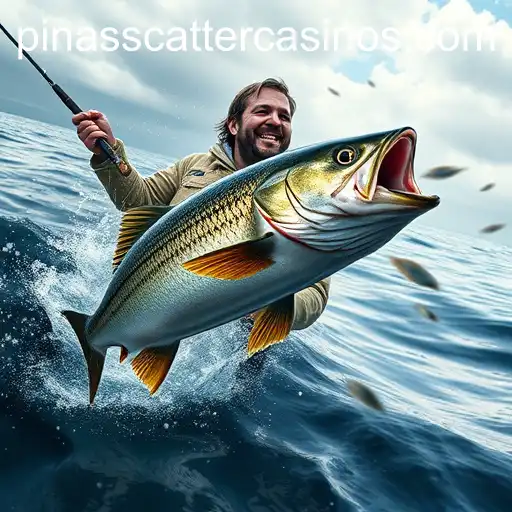
In recent years, the realm of gaming has expanded beyond traditional boundaries, embracing themes from various aspects of life—one of which is fishing. Fishing games not only provide entertainment but also simulate realistic fishing experiences. These games appeal to both seasoned anglers and newcomers drawn by the tranquility and skill that fishing demands. One fascinating evolution within this niche is the integration of advanced techniques such as PINASSCATTER, which add depth to gameplay and enrich the player's experience.
Fishing games usually aim to replicate the quintessential fishing adventure, where patience, technique, and timing play critical roles. From picturesque graphics simulating real-world locations to the sounds of rustling waters, these games create an immersive escape. Players are often tasked with challenges such as catching specific types or sizes of fish, testing their skills in virtual waters.
Part of what makes fishing games so appealing is their use of various mechanisms to simulate challenges real anglers face. Elements such as equipment choice, weather conditions, and fish behavior can significantly affect success rates, akin to real-life fishing scenarios.
One of the progressive innovations in this genre is the use of PINASSCATTER techniques. This advanced mechanism enhances realism by employing artificial intelligence to simulate fish behavior more accurately than traditional algorithms. It permits game designers to replicate the unpredictable nature of fish movements based on environmental factors, encouraging players to adapt strategically.
PINASSCATTER is an AI-driven approach that models how schools of fish naturally disperse and regroup. By analyzing parameters like water temperature, depth, and light conditions in real-time, it creates a dynamic gaming environment that challenges players to employ strategic thinking and adaptability. This replicates the experience of reading an actual body of water in search for fish, adding an extra layer of authenticity to the game.
With PINASSCATTER, games now simulate scenarios where fish react to the presence of a boat, sudden noises, or other stressors. This can lead to unpredictable shifts in fish populations and migratory patterns within the game. Players find themselves challenged—no longer relying solely on fixed patterns but instead having to anticipate movements and adapt their tactics. This demands more sophisticated fishing strategies, elevating the engaging nature of these games.
The introduction of PINASSCATTER techniques into in-game engines offers a stimulating experience for enthusiasts. The adaptive nature allows players to develop and hone their skills continuously, experiencing new challenges with each session. The realistic portrayal of fishing conditions, rendered possible by these techniques, ensures that players stay intrigued, fostering long-term engagement.
This innovative, strategic depth transforms fishing from a mere pastime into an immersive simulated profession. Apparel, choice of bait, or lure becomes critical decisions within these games, much like they do for real anglers. The unpredictability of fish movements catalyzed by the sendentary lifestyle ensures that no two fishing expeditions are alike.
As PINASSCATTER's popularity grows, its inclusion becomes a benchmark for new fishing games. Titles that seamlessly integrate these techniques enjoy success through player retention and acclaim from critics. They build a reputation not only on multiplayer engagements but also for single-player campaigns where AI behavior truly shines.
These games go beyond simple mechanics, developing communities around shared experiences of tackling these complex simulations. Players exchange tips, discuss strategies, and share stories of their digital fishing adventures, bonding over the challenge and excitement of mastering ever-changing elements.
The rise of advanced fishing games incorporating PINASSCATTER demonstrates the ongoing evolution of game realism and audience demand. Enhancements in AI have paved the way for engaging immersive environments that echo the beauty and challenges of actual fishing. As this genre continues to grow and innovate, the future of fishing games looks promising, filled with realistic interactions and deep, rewarding play styles.
If you're looking for a reliable, fully licensed, and secure sportsbook with a wide selection of games, PINASSCATTER is the perfect choice. We're committed to providing you with the best online betting experience, with premium quality, excellent service, and continuous innovation. Sign up now and receive ₱777 for free!
Join now
Get the latest information, experience and betting strategies from the expert team at PINASSCATTER.
Explore the captivating world of SuperNiubi, an immersive game combining strategic gameplay and real-world themes.

Dive into the immersive universe of RapidGems777, understanding its unique gameplay mechanics and the exciting PINASSCATTER feature that enhances your gaming experience.

Discover the allure of CurseofthePharaoh, where adventure meets the enigmatic past, and learn about its captivating gameplay and intriguing rules.

Explore the thrilling new game ZapOtecGold, an adventure filled with mystery and excitement as players engage with the enigmatic PINASSCATTER element.

Discover the captivating world of MoonlightTreasure, a new game enthralling players with its unique mechanics and vibrant universe. This article explores the game's innovative introduction, intriguing gameplay, and rules, while weaving in current events relevant to its themes.

Dive into the magical realm of SpiritedWonders, a captivating game that combines strategy and mystery. Discover its intricate rules and how the PINASSCATTER feature enhances gameplay.
 Join now